No. 19 Appeals to Emotion argumentum ad misericordiam
Appeal to Pity
In Turkish: Duygu Sömürüsü Safsatası
I’m very sorry for you. The answers are still wrong.
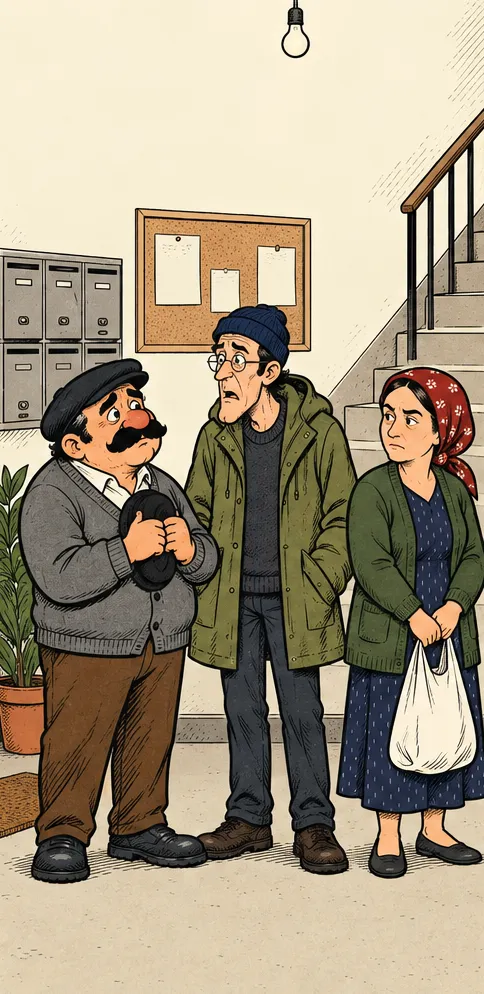
Vote for me as building manager. Nobody takes me seriously, let me have this one thing.
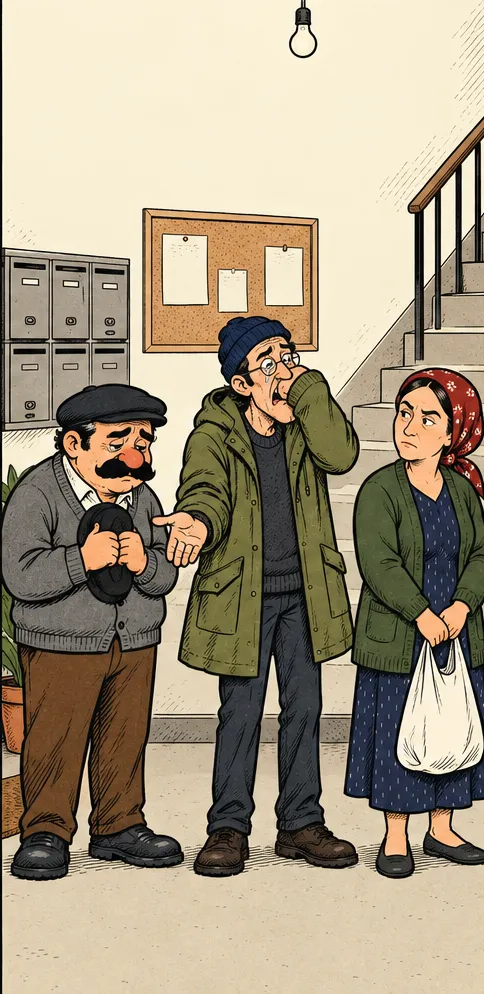
The man’s heart is broken. Let’s vote for him, Fadime!
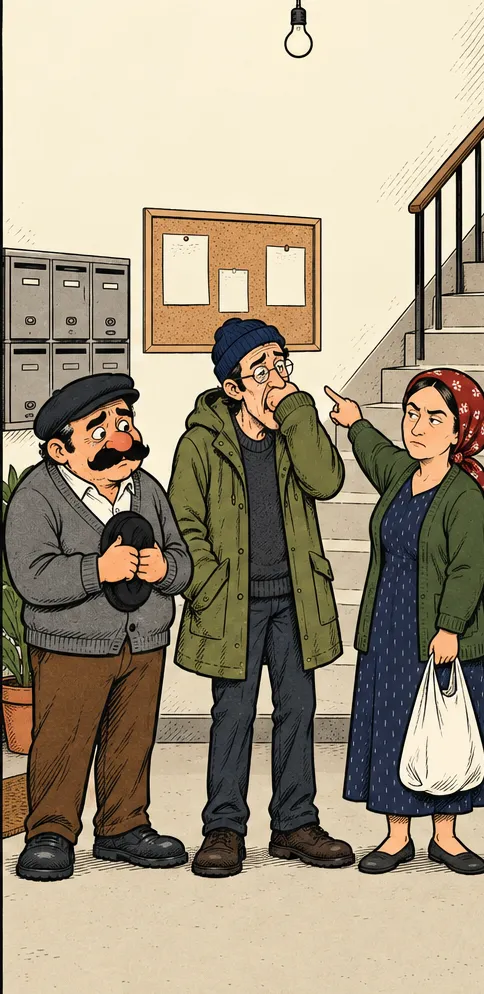
Broken heart, sure, but the man can’t count. Who collects the fees, his tears?
What is it?
Trying to get a claim or a request accepted by evoking pity instead of giving evidence. The feeling may be real; it just has nothing to do with whether the claim is true.
The pattern
- My situation is terrible / very sad.
- Therefore accept X. (X has no connection to the situation.)
Why it fails
Pity makes “no” hard to say; whoever objects looks heartless. The fallacy uses that: the argument moves from whether the claim is true to whether you have a conscience. But someone in a bad situation can still be wrong; sadness doesn’t make an exam answer correct or a ledger balance.
How to spot it
- A hardship is described where evidence should be.
- The feeling that refusing makes you a bad person.
- There’s no link between the hardship and the request; they just stand side by side.
What to say
Separate the two: “I’m sorry about your situation, truly. But the question is this: [the claim]. Let’s look at that.” If you want to help, help; accepting the claim isn’t help.
When it’s not a fallacy
Sometimes the situation is the subject: describing hardship when asking for a reduced penalty is relevant, because penalties are set according to circumstances. So is describing need when asking for a donation. The fallacy is bringing pity into a question it has no bearing on.
Examples
- School“If I fail this course I lose my scholarship.” Sad; the answers are still wrong.
- Work“I need a raise, my rent went up.” The rent did go up; a raise is about the value of the work.
- Shopping“I haven’t sold a thing all day, buy one.” The product didn’t just get better.
- Traffic“Don’t write the ticket, officer, my child is sick.” The light was still red.