No. 25 Statistical Fallacies
False Analogy
In Turkish: Yanlış Benzetme Safsatası
Alike in one way, so alike in every way. It isn’t.
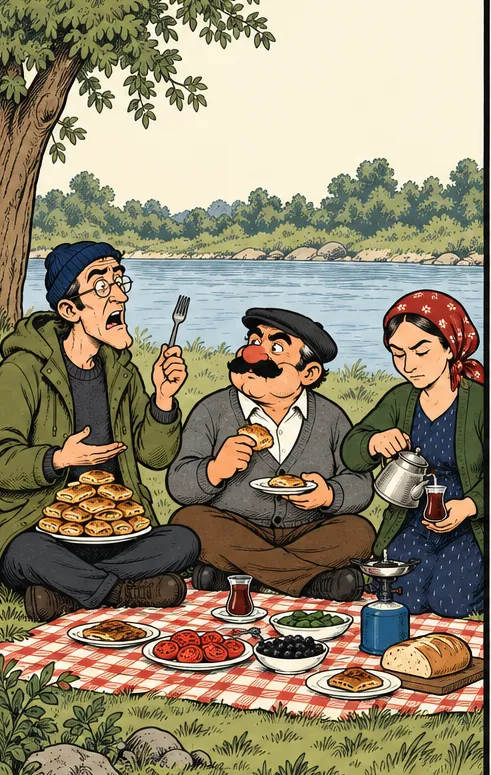
The body’s like a car. A car runs on petrol, so the more I eat, the better I run.
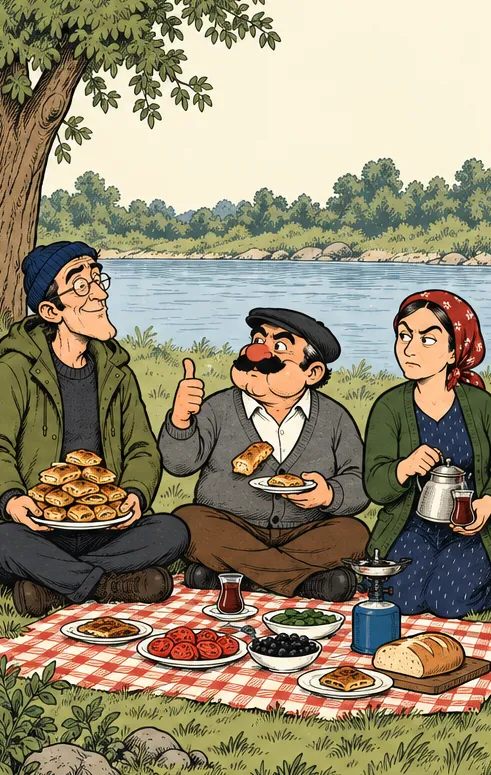
Right! Fill the tank!
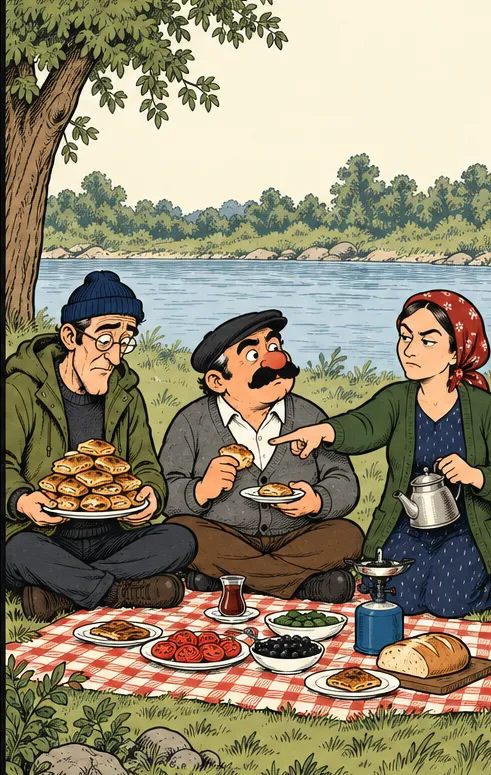
When a car’s tank is full it stops, Dursun. You’re overflowing.
What is it?
Assuming that because two things are alike in one respect, they’re alike in another. An analogy helps explain; it doesn’t prove. When the differences matter more than the similarities, the analogy collapses.
The pattern
- A is like B. (in one respect)
- B has this feature.
- Therefore A has that feature too.
Why it fails
An analogy turns something complicated into something familiar, which is why it persuades. But every analogy has a limit, and the fallacy begins where the limit is crossed. The body is like a car in one respect: it needs fuel. In others it isn’t: it doesn’t stop when the tank is full, it stores the excess as fat. The prettier the analogy, the easier its limit is forgotten.
How to spot it
- A big conclusion follows a sentence that starts “…is like a…”.
- The similarity runs one way; the differences are never counted.
- The analogy is used to prove, not to explain.
What to say
Count the differences: “Alike in which respect, unlike in which? Which respect has to match for this conclusion?” Then offer your own analogy: the same thing is also like something else, and that leads to the opposite conclusion.
When it’s not a fallacy
An analogy between things that genuinely share the relevant feature is strong reasoning; animal trials in medicine and precedent in law work that way. The difference is whether the similarity concerns the conclusion. A heart and a pump really are alike about pressure; a body and a car aren’t alike about fuel.
Examples
- Work“The company is a family.” Families don’t lay off members when profits dip.
- Family“A child is like a sapling; the more you water it, the more it grows.” Too much water rots the sapling; the child too.
- Tech“The brain is a computer; it needs updates.” The brain has no update button; it has sleep.
- Health“If vitamins are good, more vitamins are better.” Salt is good too; more salt isn’t.